Stone Crusher Business: Common Operational Challenges and Digital Solutions
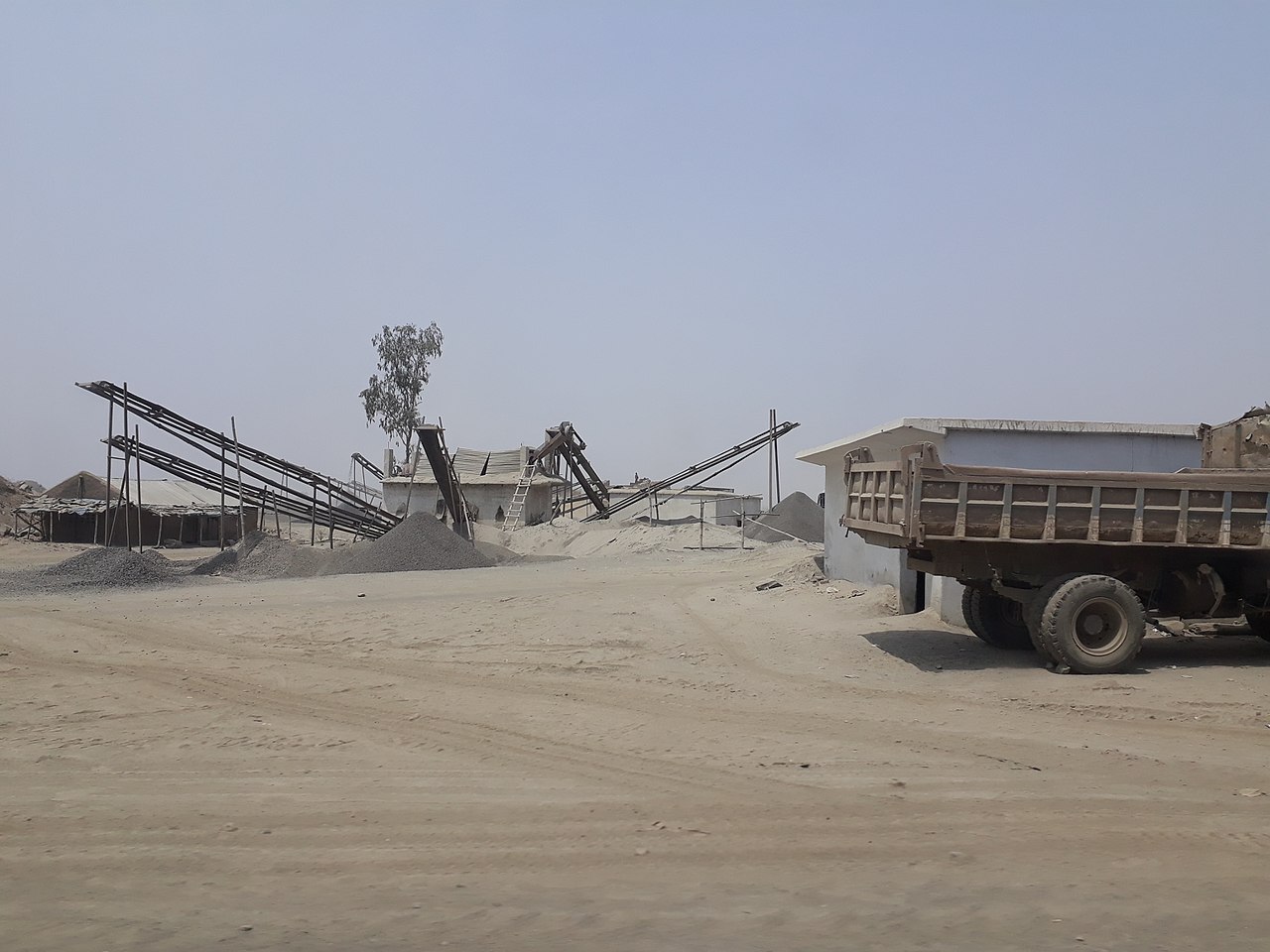
Why it matters on the yard
Stone Crusher Business Management works only as well as the gate it passes through. In a crushing operation, every load depends on challans, weighments and machine time staying in sync — and any gap between them turns into idle vehicles, unbilled tonnage and end-of-month arguments.
From gate to weighbridge
Quarries lose money in the gaps between the pit, the plant and the weighbridge. When Stone Crusher Business Management depends on handwritten registers, the day's true picture — tonnes produced, tonnes sold, tonnes still in stock — only appears days later, after manual tallying.
What to look for in a platform
A well-run yard moves each load through the same five steps:
- Record each load at the gate with a weighment tied to the vehicle number.
- Track production per shift against the feed and the crusher settings.
- Update stockpiles automatically as material is crushed, stacked and sold.
- Generate e-challans and dispatch papers from the same entry — no retyping.
- Close the day with a production-versus-dispatch report the owner can read in a minute.
Numbers worth watching
Before committing to any tool, check it against the list that actually matters:
- Weighbridge integration that captures gross, tare and net automatically
- Vehicle and challan management tied to each load
- Live stockpile estimates by material size
- Tally-ready sales and payment records
- Shift-wise production reports without end-of-day paperwork
Numbers worth watching
Track the handful of numbers that reflect this topic directly:
- Tonnes crushed per shift versus plan
- Dispatch tonnes versus sales booked
- Stock variance at month-end
- Vehicle turnaround time at the gate
- Unbilled or short-challaned loads
Where ProcurInt fits
ProcurInt connects the weighbridge, gate, stock registers and billing for crusher operations, so Stone Crusher Business Management runs on one record instead of three.
The takeaway
The goal is not another tool — it is a shorter distance between what happens on the ground and what the management knows. Start with one site or one plant, prove the numbers, then scale the same discipline.
PUT YOUR SITES ON ONE OPERATING PICTURE.
See procurement, materials, approvals and cost for your own projects or plants in a 30-minute walkthrough.